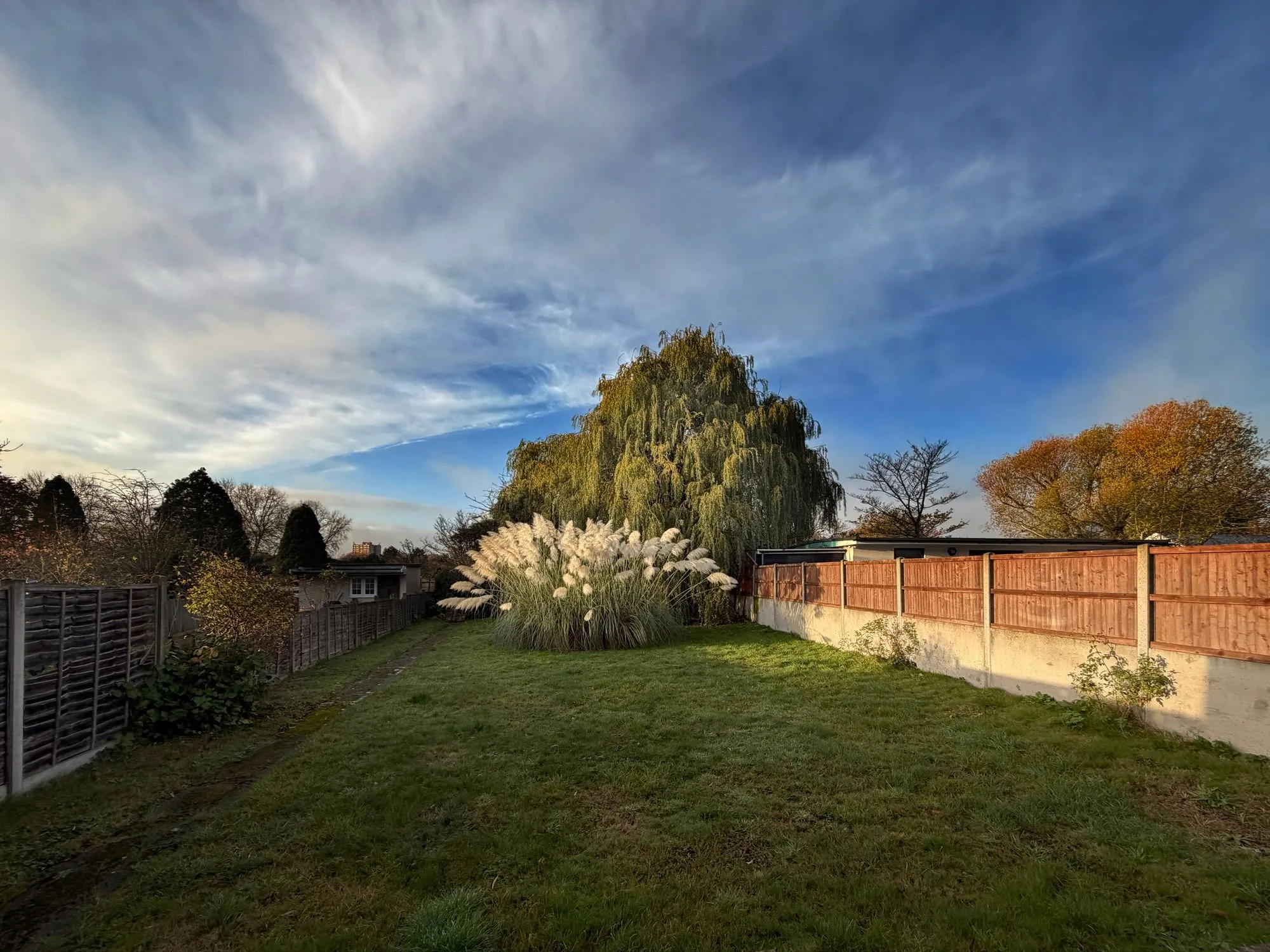
Featheredge Property Solutions offers turf laying in Falkirk, new lawns in Stirling and turfing in Alloa and across Clackmannanshire. We strip the old lawn, prepare and level the ground on good topsoil, then lay fresh turf tight and water it in, so you get an even lawn that roots properly. If your lawn is patchy, lumpy or worn out, ask us for a free quote.
Preparation: where new lawns succeed or fail
Turf that yellows at the joins, dries out at the edges or ends up lumpy is almost always a preparation problem. Rolls laid straight onto compacted, stony or uneven ground never root properly, however good the turf.
So the work starts with the ground:
- Strip the old lawn, weeds and roots, including perennial weeds such as couch grass
- Break up compacted soil and pick out stones and rubble
- Bring the topsoil up to around 100 to 150mm where it is thin or poor, since new roots need good soil to grow into
- Rake, firm and rake again until the surface is level, with no hollows to collect water
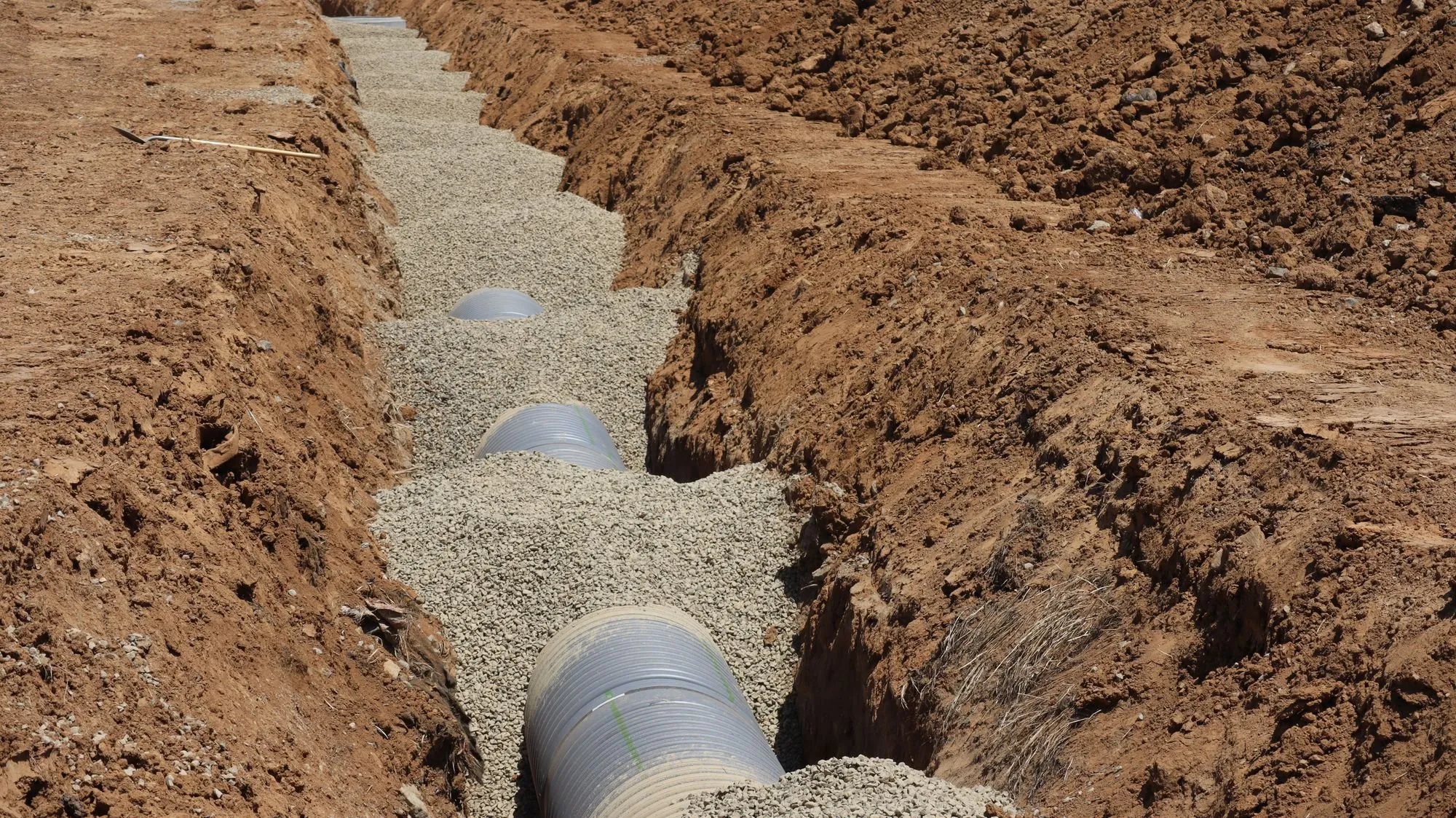
Levelling is slow, careful work, and it is the stage most worth getting right. A flat lawn is easier to mow, looks better and does not hold puddles in the dips. If some spots always stay wet, the ground may need garden drainage before it is turfed.
Where a garden slopes, the lawn can follow the existing fall or the slope can be eased so the space is more usable.
Laying and watering: the first two weeks
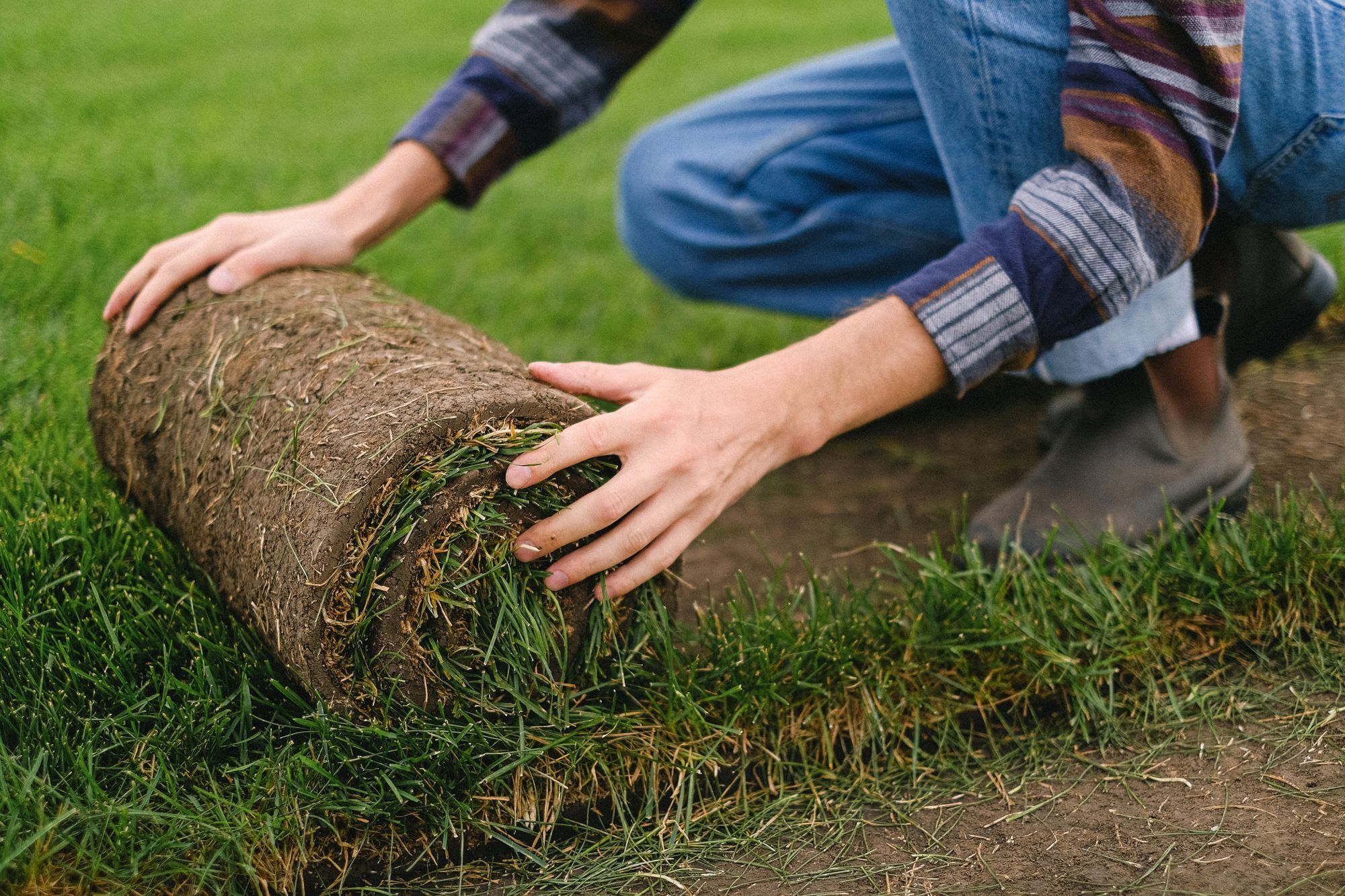
Fresh turf should be laid within about 24 hours of delivery, while it is still green and moist. Rolls go down tight against each other with the joins staggered like brickwork, which helps them knit together and hides the seams as the grass grows. Edges are cut neatly around paths, borders and beds, and the whole lawn is firmed so the roots are in full contact with the soil.
Then it is watered in well. The RHS guide to laying turf stresses soaking the soil underneath rather than just wetting the grass, since shallow watering leads to shallow roots.
For the first two weeks, a new lawn needs regular watering whenever it is not raining, more in warm or windy weather. Keep foot traffic to a minimum. After about three weeks, once the turf will not lift when you tug a corner, it can have its first cut with the mower blades set high.
Watch the joins. If the gaps between rolls start to open up or the edges curl, the turf is drying out and needs more water. Hold off on lawn feed and weedkiller for the first couple of months, and let the grass settle in before it faces a full season of football and garden furniture.
Best time to turf in Scotland
The RHS says turf is best laid in mid-autumn, and it can go down any time from autumn to early spring whenever the soil is not too wet or frosty. The ground is moist, the air is cool and new roots have time to establish before summer.
That suits Central Scotland well. Autumn turf in Falkirk, Stirling or Clackmannanshire rarely needs much extra watering, as the weather usually does the job.
The RHS advises avoiding mid-spring to early autumn. Turf can still be laid then, but new rolls can dry out faster than you can water them in a warm, dry spell, so it means watering almost every day. The times to avoid completely are frozen ground and waterlogged soil.
Turf or artificial grass?
A real lawn is cooler underfoot, better for wildlife and usually cheaper to put in. It does need mowing and feeding, and some spots, such as deep shade, very heavy use or ground that stays wet, are always a battle.
Turf also beats seed for most gardens. Seed is cheaper to buy but can take months to fill in, and it is at the mercy of birds, weeds and heavy rain. Turf gives you a green, even lawn on the day it is laid.
If a real lawn sounds like a struggle for your garden, read about artificial grass too. We lay both, so we can give you an honest view of which fits your garden and the way you use it.
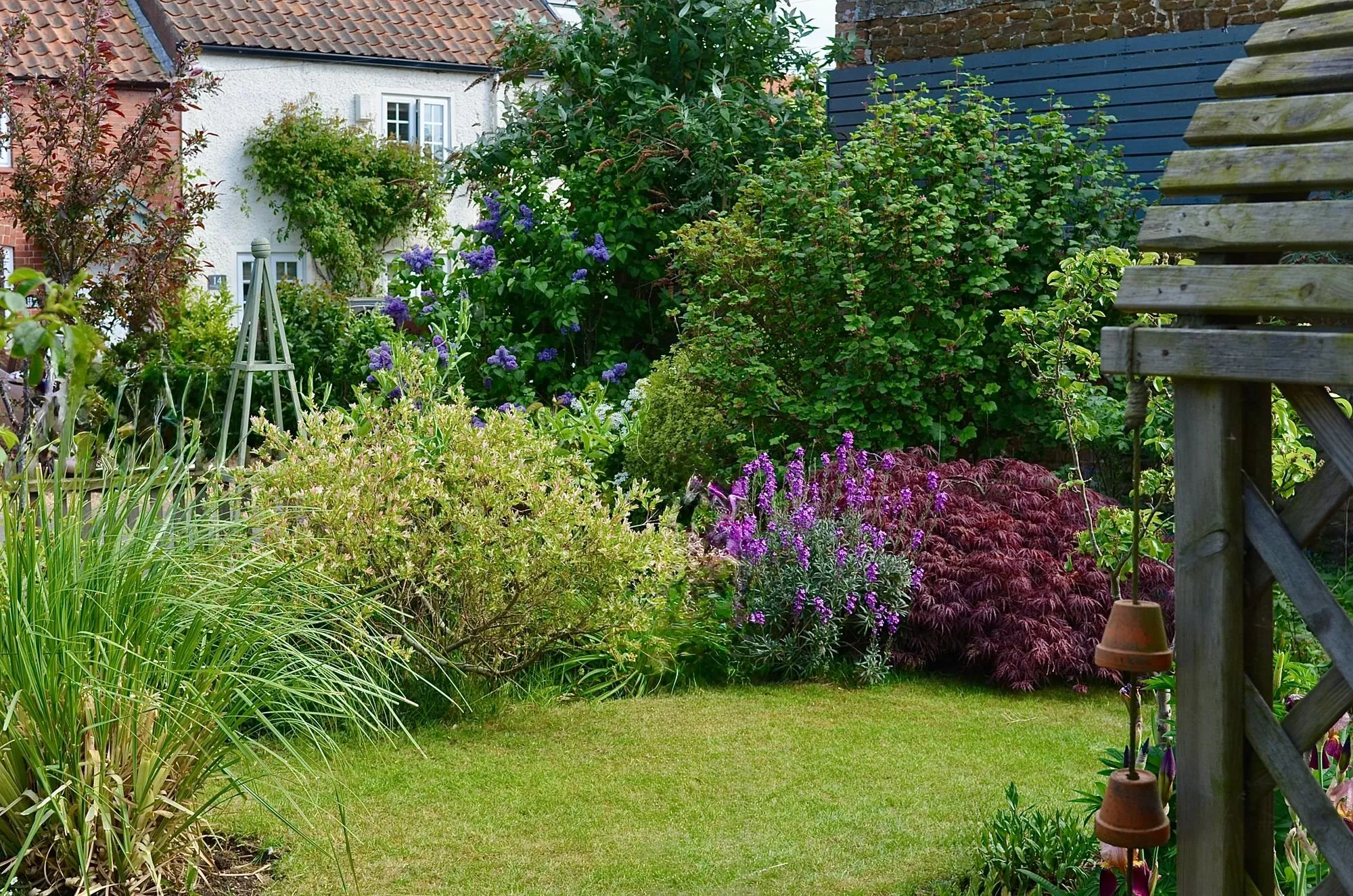
A new lawn is also often one part of a bigger project, alongside new borders, paths or a patio. It can be combined with a full garden makeover so everything is finished together.
Turf laying and new lawns across our areas
We are based in Alloa and lay new lawns across Clackmannanshire, including Tullibody, Alva and Dollar, as well as in Stirling, Bridge of Allan, Falkirk, Larbert and North Lanarkshire. For turf laying in Falkirk, a new lawn in Stirling or turfing in Alloa, get in touch for a free quote.