Featheredge Property Solutions offers hedge cutting in Stirling, Alloa and Falkirk, along with pruning, topping and removing garden trees. We are based in Alloa and look after everything from low front garden hedges to tall boundary hedges, and every job ends with the cuttings cleared and taken away. For a hedge that has got out of hand or a tree in the wrong place, ask us for a free quote.
Hedge cutting and trimming
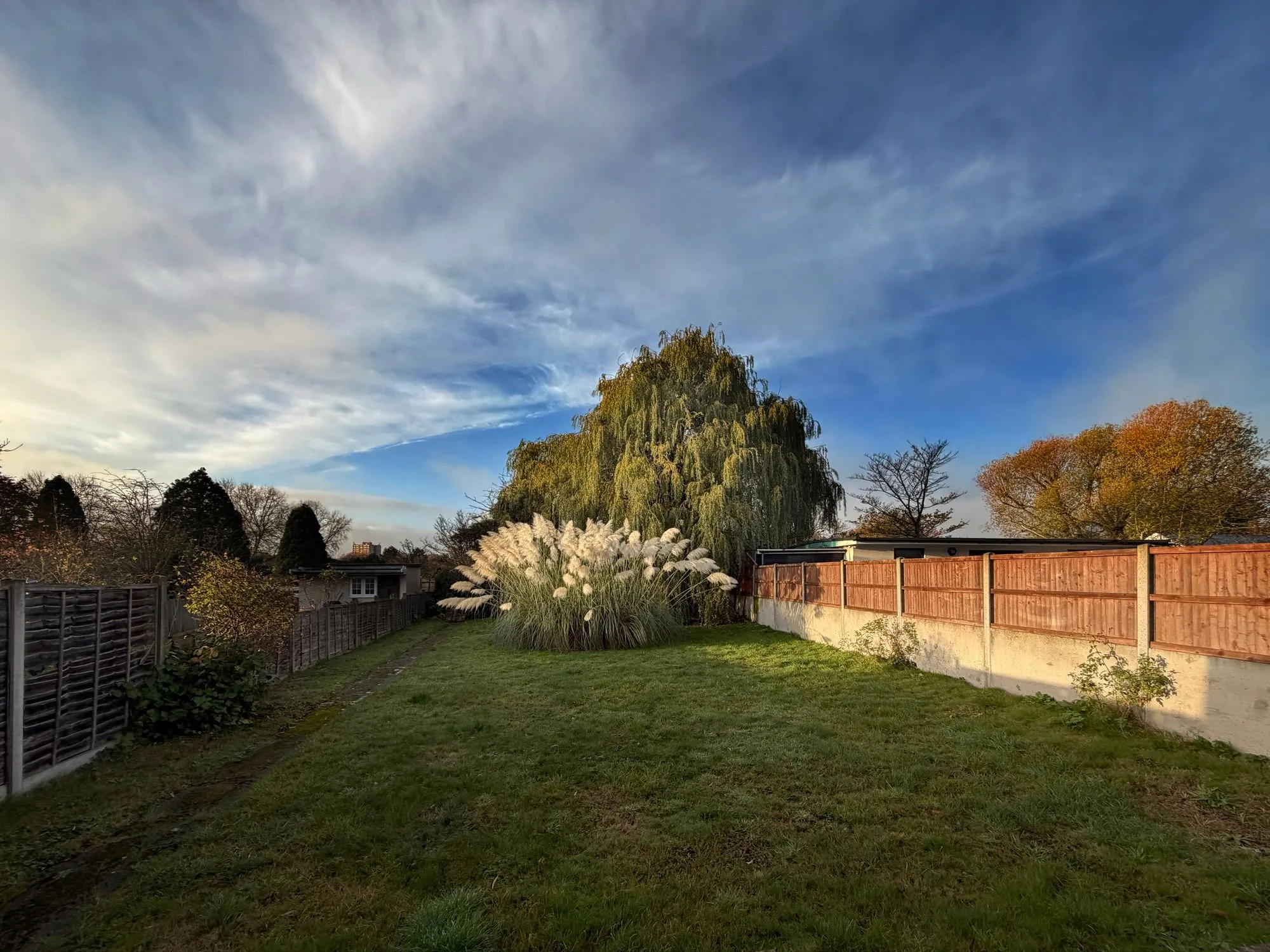
A hedge makes a good boundary until it grows taller than the house, blocks the light and takes over half the lawn. Regular hedge cutting keeps it in shape and stops that happening.
Most formal garden hedges need a trim once or twice a year. A hedge that is cut regularly stays thick and green down to the ground. Leave it too long and it tends to go bare at the base and top-heavy, which is harder to put right.
We offer routine hedge trimming in Falkirk, Stirling and across Clackmannanshire, cutting the faces and top back to a neat, even line. Slightly tapering the sides so the base is wider than the top helps light reach the bottom of the hedge.
If a hedge sits on a shared boundary, it is worth a word with your neighbour before any big change. You can usually trim the side facing your own garden, but reducing the height or cutting back their side is best agreed first.
Reducing overgrown hedges
Hedge reduction takes more care than a trim. The RHS guide to hedge renovation explains that many broadleaf hedges, such as beech, hawthorn and privet, can be cut back by up to 50% of their height and width in one go, and that deciduous hedges are best renovated in midwinter and evergreens in mid-spring.
Conifers are different. Most, including leylandii, will not reshoot from old brown wood, so a hard cut can leave a bare face that never greens up. For those, we reduce in stages or talk through whether the hedge is worth keeping.
If a hedge is past saving, it can come out altogether and be replaced with new planting or a new fence.
Pruning, topping and removing garden trees
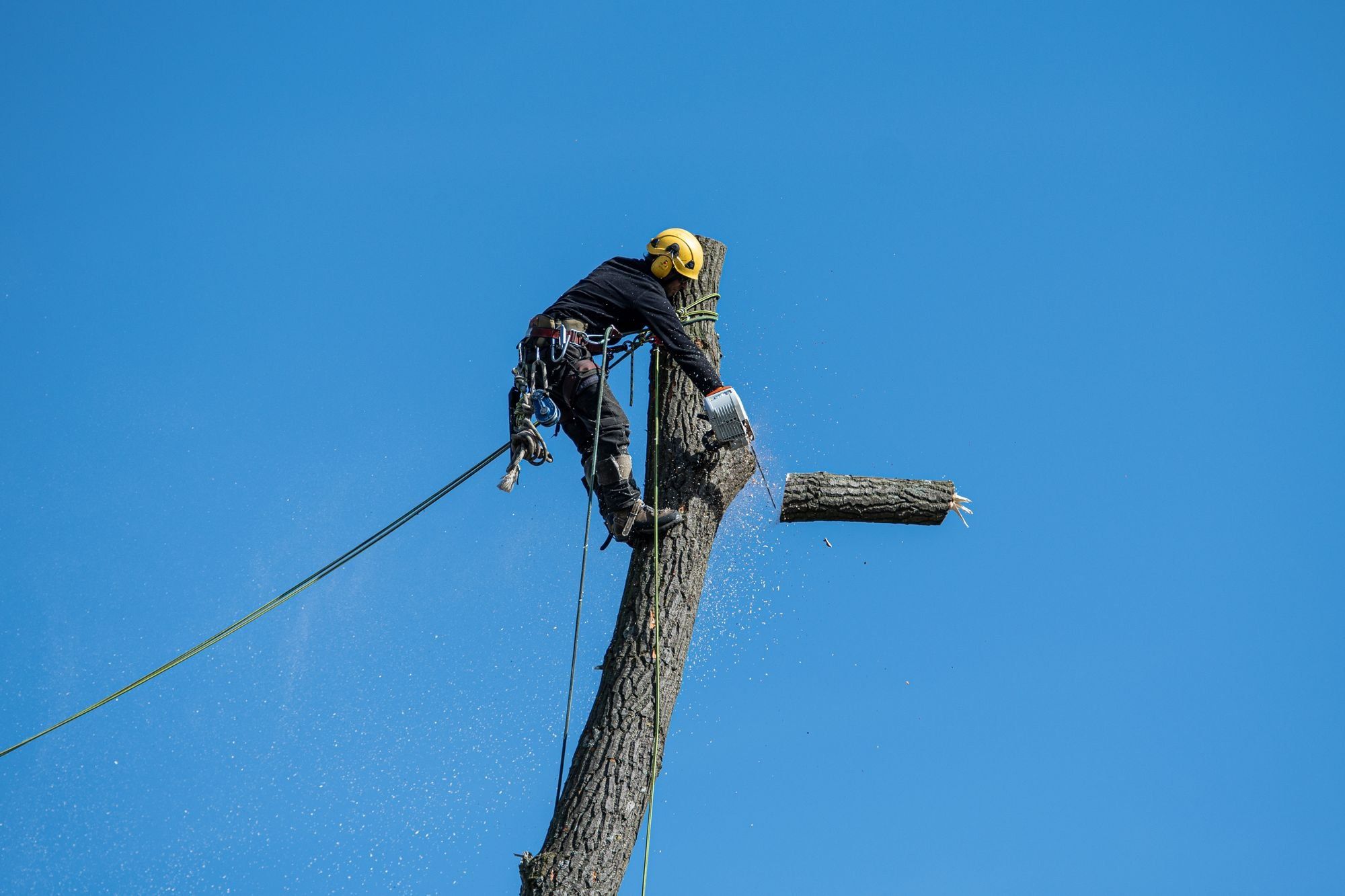
Garden trees can outgrow their space, shade out a lawn, hang over a roof or a neighbour’s garden, or simply be in the wrong place. We prune and thin trees to let more light through, reduce trees that have grown too tall and take down trees that need to come out.
For tree removal in Alloa and the surrounding area, every job starts with a look at the tree, what is around it and how it can be cut and brought down safely. Larger or dangerous trees close to buildings, roads or power lines may need a specialist arborist, and if a job is beyond what we do, we will tell you honestly.
Timing matters for trees as well as hedges. Most deciduous garden trees are easiest to prune in late autumn and winter, when they are dormant, the branch structure is easy to see and there are no nesting birds. Some trees, such as birch and maple, bleed sap heavily if cut in late winter or spring, so they are better pruned while fully dormant in midwinter or in late summer.
Nesting birds, March to August
Bird nesting season runs roughly from March to August. Hedge and tree work is not banned during those months, but under section 1 of the Wildlife and Countryside Act 1981 it is an offence to take, damage or destroy the nest of any wild bird while it is in use or being built.
We check hedges and trees before cutting and work around any active nests we find. Where birds are nesting in a hedge, that section waits until they have gone. Planning bigger hedge reductions for autumn and winter avoids the problem altogether.
Tree Preservation Orders and conservation areas
Some trees are protected. A tree covered by a Tree Preservation Order needs consent from the council before it is pruned or felled. In a conservation area, you must give the council six weeks’ notice before carrying out work on most trees.
Parts of Stirling, Dunblane, Bridge of Allan and Dollar sit in conservation areas. If you are not sure whether a tree is protected, check with Stirling Council, Clackmannanshire Council or Falkirk Council before any work is booked. Protected work only goes ahead once consent is in place.
Waste taken away
Tree and hedge work creates a lot of green waste. We gather the cuttings, branches and timber, rake up the debris and take it all away, so the garden is left tidy.
Clearing an overgrown hedge or tree often opens up a space you had forgotten about. Where cutting back is the first step in a bigger project, it can lead straight into a garden makeover.
Hedge cutting and tree work across our areas
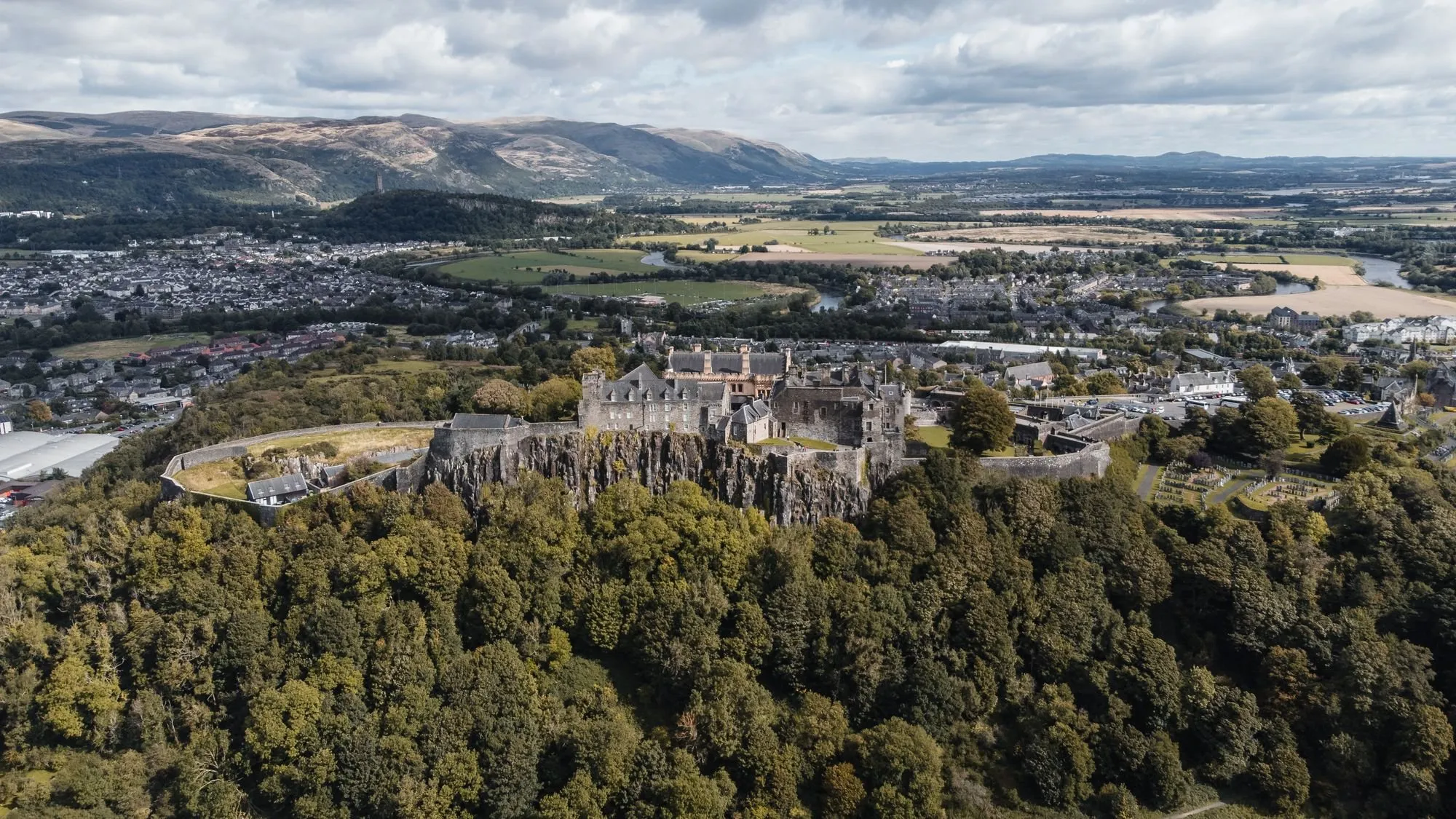
We are based in Alloa and cut hedges and trees across Clackmannanshire, including Alva, Tillicoultry and Dollar, as well as throughout Stirling, Dunblane, Bridge of Allan, Falkirk and North Lanarkshire. For hedge cutting in Stirling or anywhere in our area, get in touch for a free quote.