Featheredge Property Solutions provide fencing in Alloa and fence repairs across Clackmannanshire, Stirling, Falkirk and North Lanarkshire. We build featheredge, panel and slatted fences with posts set in concrete, and fix fences damaged in storms, from a single post to a full boundary. Send us a few details and photos for a free, clear written quote.
New fences built to stand up to the wind
When a fence blows over in a winter storm, it is usually the posts that fail, not the boards. A solid fence catches a lot of wind, and posts set too shallow or left to rot at ground level cannot take the load.
Good fencing contractors in Clackmannanshire and across Central Scotland follow a few rules of thumb:
- Post depth of around a quarter of the post’s length in the ground, so roughly 600mm for a 1.8m high fence.
- Concrete footings around each post, shaped so rain runs away from the timber.
- Post spacing of about 1.8m for standard panels, set to suit the fence type for closeboard.
- Gravel boards, usually about 150mm high, along the bottom to keep timber off wet soil.
Gravel boards are one of the simplest ways to make a fence last longer, and they can be replaced on their own if they ever rot.
Featheredge and closeboard fencing explained
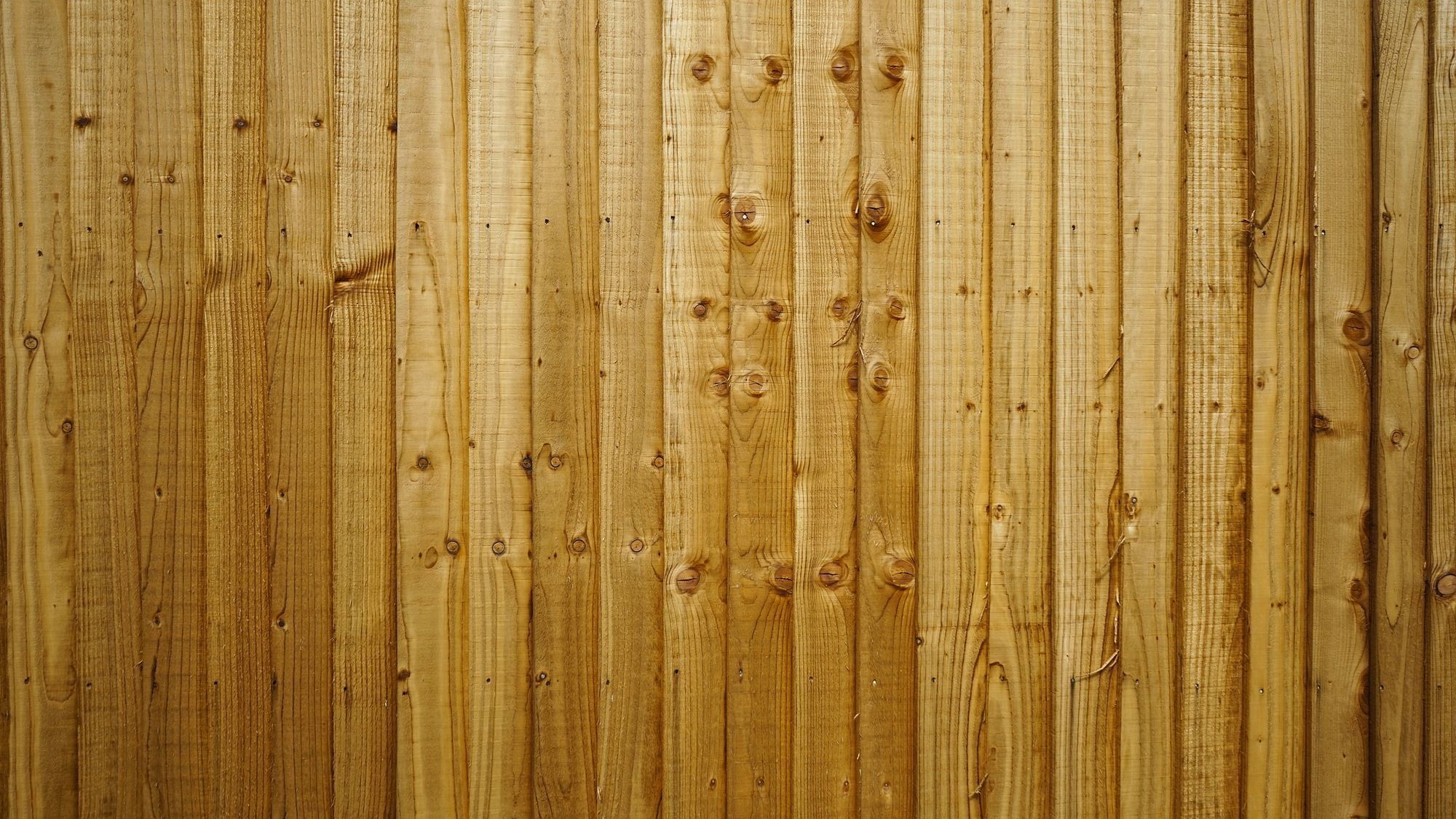
Featheredge fencing, also called closeboard, is built on site. Tapered vertical boards, thicker on one edge than the other, are nailed to horizontal rails between posts, with each board overlapping the next. A 1.8m fence normally has three rails.
It is one of the strongest and most private garden fences, and because it is built board by board, it follows slopes and awkward boundaries better than fixed panels. A capping rail along the top sheds rain off the end grain, and a single damaged board can be swapped on its own.
Pressure-treated timber can be left to weather to a silver grey or stained to a colour you like. A fresh coat of preserver every few years, applied on a dry day, helps the boards shed water and slows down rot where they meet the rails.
Panel and slatted fences
Ready-made panels are quicker to put up and suit many gardens. They fit between timber or concrete posts, and concrete posts are a sensible choice in exposed spots where panels take a battering.
Slatted fencing uses horizontal boards with small gaps between them. It has a more modern look, lets a little light and air through and still gives privacy, which suits patios and contemporary gardens.
Fence repairs after storms
Fence repairs are some of the most common calls after a stormy spell in Falkirk, Stirling and Cumbernauld. A leaning or flattened fence does not always need replacing. Typical repairs include:
- Replacing a snapped or rotten post and resetting it in concrete
- Fitting new rails where the old ones have split or pulled away
- Replacing broken boards, capping or gravel boards
- Re-hanging a panel that has blown out of its slot
Repair or replace? If the posts along the run are sound and the damage is local, a repair is usually the better value. If several posts have rotted at ground level, new boards on old posts will not last, and a new run is the honest answer. We check the whole length before recommending either.
If a hedge or tree has pushed the fence over, our tree and hedge work can deal with the cause at the same time.
Shared boundaries and planning
In Scotland, most back garden fences up to 2 metres high are permitted development and do not need planning permission. The limit drops to 1 metre where the fence faces onto a road or extends past the front or side of your house, and different rules apply in conservation areas and the grounds of listed buildings. The mygov.scot guide to building a gate, fence or wall sets out the current rules.
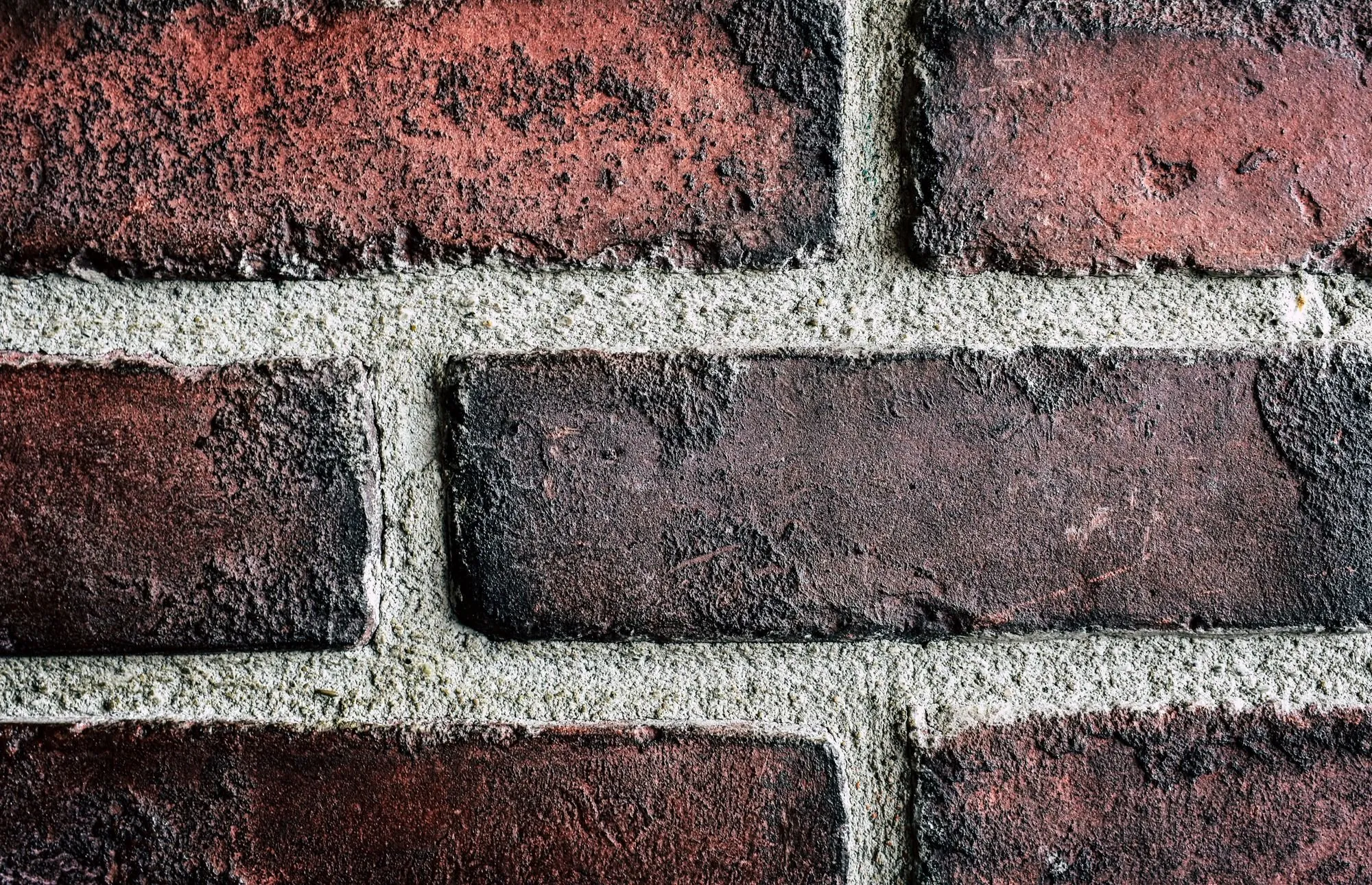
Who owns a boundary fence usually depends on your title deeds. It is always worth speaking to your neighbour before work starts, and the mygov.scot boundary disputes guidance covers what to do if you cannot agree. Where a boundary is a wall rather than a fence, our brickwork repairs page covers garden walls.
Fencing across our areas
We are based in Alloa and put up fences across Clackmannanshire, including Tullibody, Alva, Tillicoultry and Dollar. We also cover Stirling and Dunblane, Cumbernauld in North Lanarkshire, and work as fencers in Falkirk, Larbert and Grangemouth, from new boundaries to fence repairs.
A new fence often goes with other work, such as fresh gravel or bark borders along the boundary or a wider garden makeover. Before we quote, it helps to know:
- Roughly how long the run is and the height you want
- Whether an old fence needs to come down first
- Whether we can get to both sides of the boundary
- Whether the fence is shared with a neighbour
Whether you need fencing in Alloa or fence repairs elsewhere, get in touch for a free quote. We take the old fence away when we finish.