We carry out repointing in Falkirk, Alloa and Stirling, along with brickwork repairs to house walls, garden walls and boundary walls. Crumbling mortar is raked out and replaced, cracked and flaking bricks are cut out and renewed, and small damaged sections of wall are rebuilt. We are based in Alloa and cover all of Clackmannanshire, Stirling, Falkirk and North Lanarkshire. Get in touch for a free quote.
Mortar is meant to be the weak point in a wall. Over the years it weathers, cracks and falls out, and once the joints are open, rain gets in behind the face of the brick. Repointing brickwork at the right time is far cheaper than rebuilding a wall later.
Repointing explained
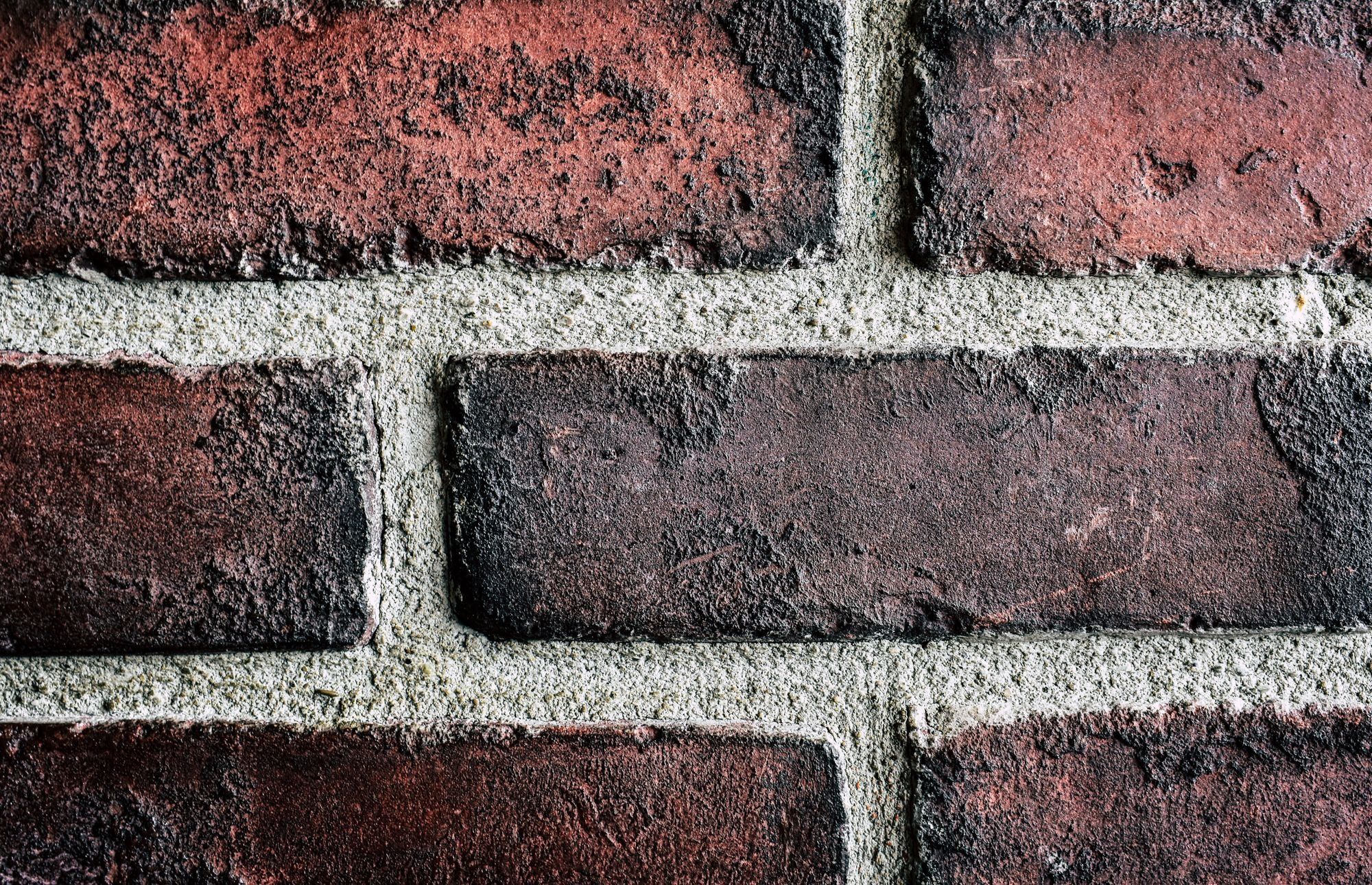
Repointing means removing the old, failing mortar from the joints and replacing it with fresh mortar. Done properly, it keeps water out and protects the bricks for many years.
The old mortar is raked out to a depth of about twice the joint width, which on a standard 10mm joint means at least 15 to 20mm. Going too shallow is the most common fault, as a thin skim of new mortar soon falls out again. The joints are then brushed clean and dampened so the new mortar does not dry out too fast.
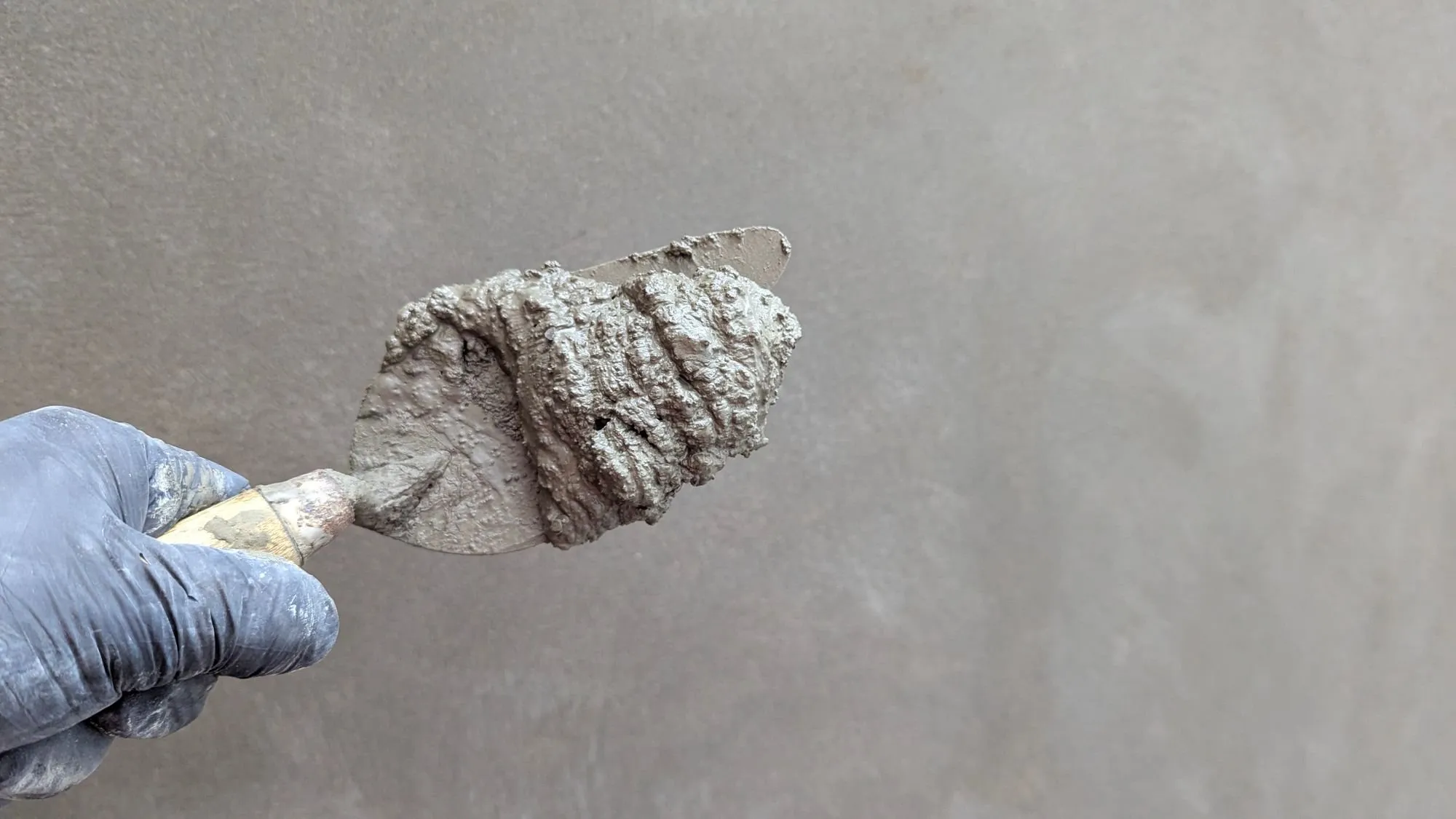
Fresh mortar is packed in firmly in layers and finished once it has started to firm up, so the joints are neat and shed water. The mortar should always be slightly weaker than the brick, so that any movement or moisture works through the joint rather than the brick face.
Weather matters. We avoid repointing when temperatures are below about 5°C or frost is due, because new mortar needs several settled days to cure.
Replacing damaged bricks
Where a brick has cracked, flaked or crumbled, it is cut out and a replacement is bedded in, matching the size and colour as closely as possible. Sound bricks from elsewhere on the same wall can sometimes be reused so the repair blends in.
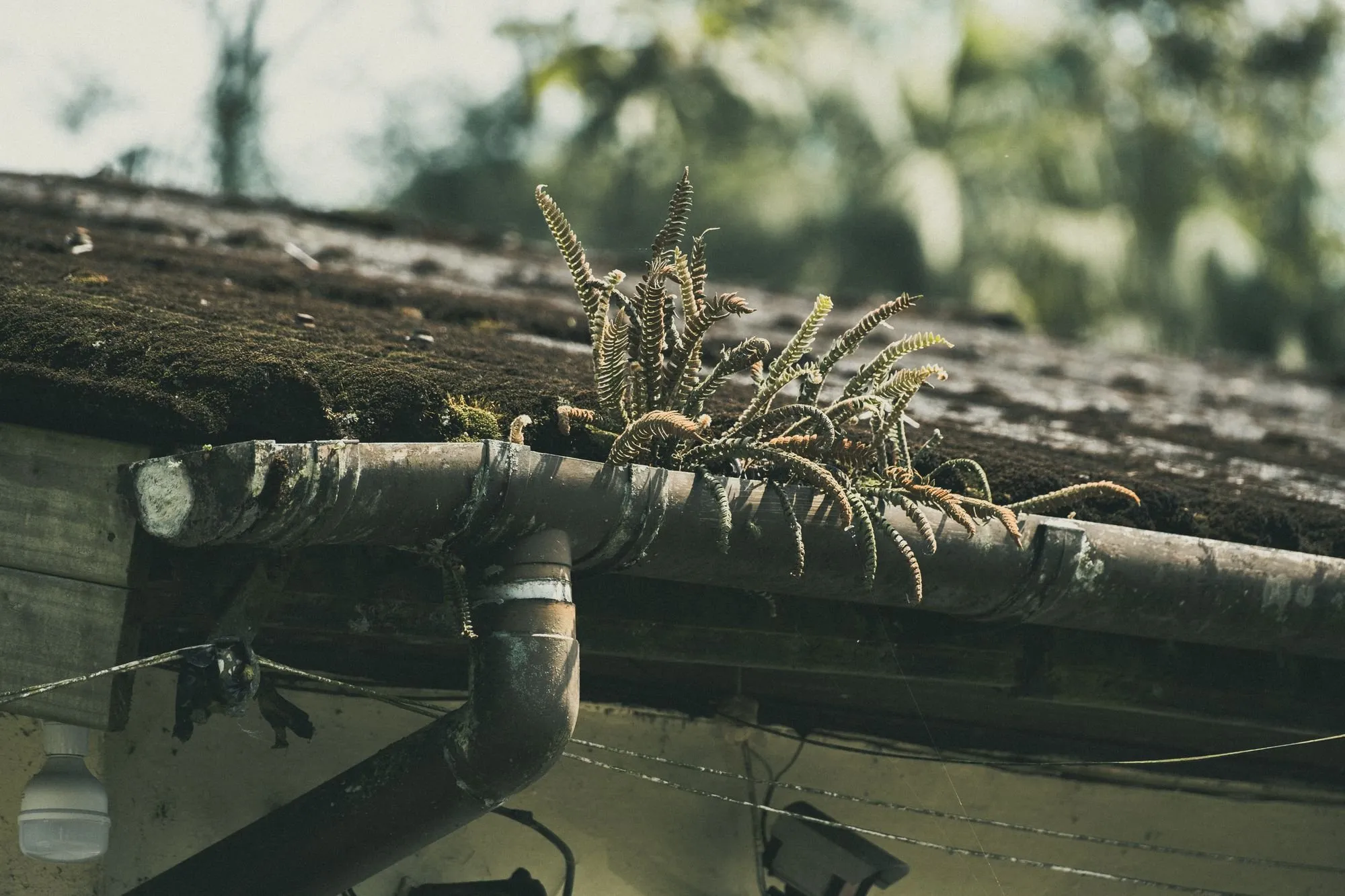
If several bricks are failing in one area, there is usually a reason, such as a leaking gutter soaking that part of the wall. Our guttering service can sort that at the same time, so the new bricks are not damaged in the same way.
Garden and boundary walls
Garden wall repairs are some of the most common jobs we see. Garden walls, boundary walls and the low walls around raised beds are exposed on both sides and often have no protection on top, so they tend to suffer first.
We repoint them, reset loose copes, and take down and rebuild small sections that have been knocked, pushed over by roots or have simply fallen apart. Where a wall meets a fence line, our fencing service can deal with the boundary as a whole. For structural cracks in the house itself, an engineer needs to look first, and we will say so.
Older buildings and lime mortar
Many older houses and walls in Central Scotland, particularly stone buildings and those built before about 1919, were built with lime mortar rather than cement. Lime is softer and more breathable, and it lets moisture escape through the joints.
Repointing those walls with hard cement mortar can trap water in the stone or brick and speed up decay. Historic Environment Scotland’s short guide to lime mortars in traditional buildings explains why. We look at how a wall was built before we quote, and we will advise when lime is needed so the right approach is used.
What causes the damage
Almost all brickwork damage comes back to water. The usual culprits are:
- Leaking or overflowing gutters soaking the same patch of wall every time it rains.
- Soil or paving piled against a wall, keeping the base permanently damp.
- Mortar that is too hard, forcing moisture out through the bricks instead of the joints.
- Frost, which turns trapped water into ice that pushes joints and brick faces apart.
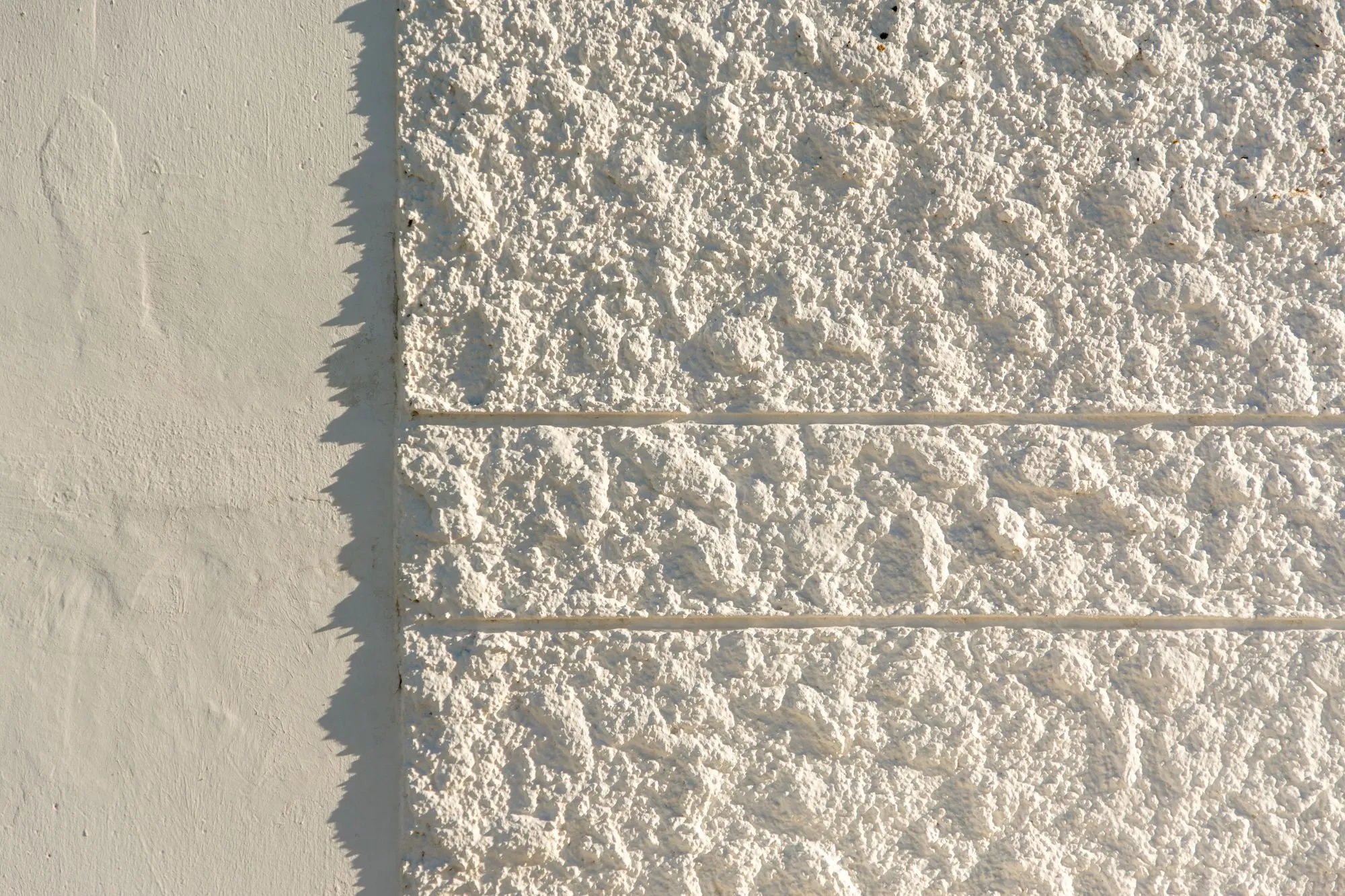
Dealing with the cause is part of a lasting repair. Cracked render or a broken concrete path along the base of a wall can be put right through our cement work. Once a wall is sound, rendered or painted walls can be refreshed with our exterior painting.
Brickwork repairs across our areas
We carry out repointing in Falkirk and the towns around it, including Larbert, Stenhousemuir, Grangemouth and Polmont. We also carry out brickwork repairs in Alloa and across Clackmannanshire, in Stirling, Bridge of Allan and Dunblane, and in Cumbernauld and the rest of North Lanarkshire.
We have over 15 years’ experience and we are fully insured. For repointing in Falkirk or brickwork repairs anywhere nearby, send us a few details or give us a call for a free quote.